La Quinta, California has long been one of the most sought-after destinations in the Coachella Valley, known for its golf communities, mountain views, and near year-round sunshine. Whether the goal is a vacation home, a short-term rental, or a long-term hold, investing in La Quinta, CA real estate comes down to understanding a handful of local factors: neighborhood, seasonality, rental rules, and property type. Kathleen Galigher, a La Quinta, CA real estate agent, walks investors through these same questions before they write an offer. Here are seven things to know before buying.
Quick Summary
- Location: Golf course communities like PGA West, The Citrus, and Rancho La Quinta, plus areas near Old Town and the La Quinta Resort, tend to hold the strongest resale value and rental demand.
- Seasonality: High season runs November through April; the slower May-through-September stretch is better suited to long-term rentals, maintenance, or renovation.
- Short-term rentals: Every STVR needs a city permit and business license, and La Quinta has banned new permits citywide since January 2024, with narrow exceptions for homeshares and large-lot properties.
- Rental taxes: Operators owe a 10% Transient Occupancy Tax plus a 1% Tourism Business Improvement District assessment on stays of 27 days or fewer.
- Property type: Single-family homes and golf estates suit high-end buyers; condos and villas offer a lower-maintenance entry point for rentals.
- Appreciation: Limited land supply and resort-town demand have historically supported stable long-term value, with 2026 typical home values in the $730,000 to $940,000 range depending on the source.
- Taxes and upkeep: Mortgage interest, depreciation, and rental-related deductions are available, but desert maintenance and tax rules both call for professional guidance.
1. Location Defines Value and Return
Location drives both short- and long-term value in La Quinta, a city made up of distinct golf and country club communities, each with its own architecture, amenities, and price point.
Golf course communities such as PGA West, The Citrus, and Rancho La Quinta tend to draw the most consistent demand from year-round residents, vacationers, and golfers. Homes with mountain views, water features, or direct fairway access typically command the highest resale values and rental rates.
Proximity to Old Town La Quinta, the La Quinta Resort & Club, and the Empire Polo Grounds (home to the Coachella and Stagecoach festivals) also shapes rental potential. For help narrowing down a community, see how to choose the right neighborhood when moving to La Quinta, CA.
2. The Market Runs on a Seasonal Calendar
La Quinta's real estate and rental market follows the desert's climate. High season runs roughly November through April, when snowbirds and vacationers push vacation rental demand, occupancy, and nightly rates to their peak.
The off-season, May through September, slows considerably. Many owners use these months for long-term rentals, maintenance, or renovation instead of chasing short-term bookings. Planning cash flow around this cycle, rather than expecting steady demand year-round, keeps returns realistic.
3. Short-Term Rentals Are Regulated, and Rules Are Tightening
La Quinta's tourism and event calendar, golf, hiking, spas, and major festivals, has made it a strong market for short-term vacation rentals (STVRs). Homes with pools, hot tubs, fire pits, and outdoor kitchens tend to perform best on rental platforms, and homes in gated communities often appeal to guests seeking privacy.
That said, the city has tightened its rules. Every STVR requires a valid city permit and business license before it can legally operate. As of January 2024, La Quinta placed a permanent, citywide ban on new STVR permits, with limited exceptions for homeshare permits (where the owner is present during the stay), Large Lot Qualified or Certified properties on parcels of 25,000 square feet or more (subject to a public hearing process), and a small set of exempt zones and approved developments.
Operating owners must also collect and remit a 10% Transient Occupancy Tax (TOT) to the city monthly, plus a 1% Tourism Business Improvement District (TBID) assessment on stays of 27 days or fewer. Monthly TOT filings are required even in months with no bookings. Anyone considering a short-term rental purchase should confirm a property's eligibility with the city's STVR office before assuming rental income is possible.
Local Tip: Because new STVR permits are largely closed citywide, an existing, transferable STVR permit can add real value to a resale property. Confirm permit status in writing before counting on rental income in an offer.
4. Property Type and Amenities Shape Demand
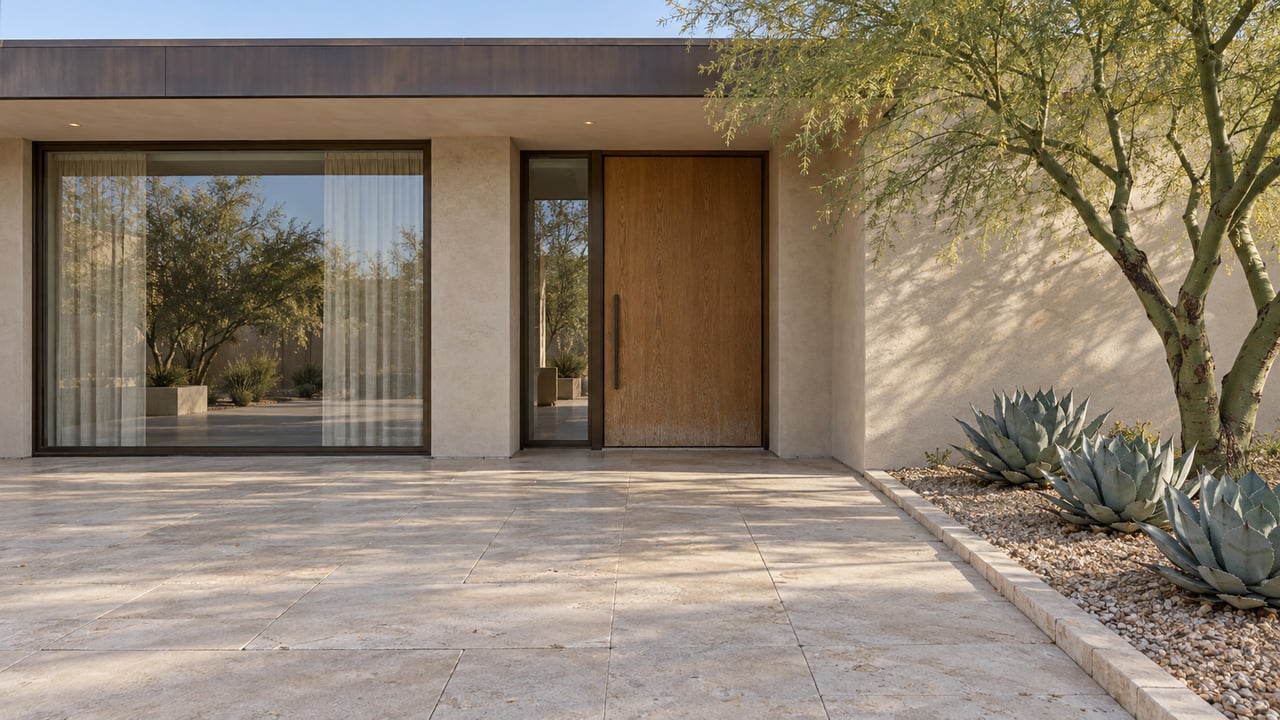
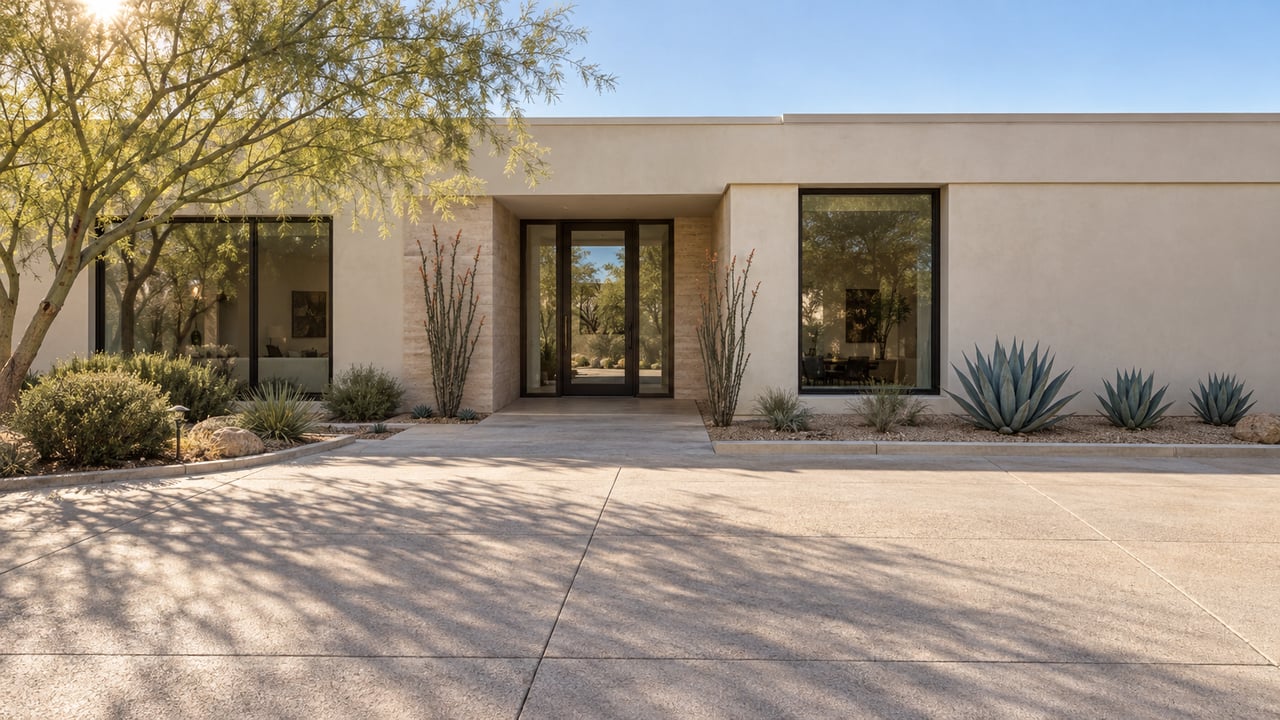
Single-family homes, villas, and condos each attract different buyers and renters in La Quinta. Luxury single-family homes and golf estates appeal to high-end buyers seeking privacy and space, while condos and smaller villas offer a lower-maintenance entry point suited to short-term rentals or seasonal use.
Amenities move the needle on ROI. Private pools, updated kitchens, and indoor-outdoor living features, think retractable glass doors or covered patios, consistently outperform homes without them, especially given how much of desert life happens outdoors.
5. Long-Term Appreciation Has Stayed Relatively Stable
La Quinta's limited land supply and resort-town reputation have historically supported steady appreciation, though, like most of Southern California, values move with broader market cycles. Zillow put the typical La Quinta home value at roughly $731,000 in 2026, while Redfin's median sale price for the city has ranged from the high $700,000s to the low $900,000s over the same period, figures that vary by data source, time of year, and neighborhood.
Properties in established HOA communities tend to hold value well thanks to consistent maintenance and design standards. For a deeper look at what moves resale value locally, see what impacts ROI for La Quinta, CA properties for sale.
6. Maintenance and Property Management Matter
Owning rental property, especially a short-term rental, requires ongoing oversight. Many La Quinta investors partner with property management companies to handle maintenance, marketing, guest communication, and regulatory compliance.
Regular upkeep is especially important in the desert, where heat and dry conditions take a toll on landscaping, pools, and HVAC systems. A well-maintained property retains its appeal and keeps guests coming back. Working with an agent who knows the market, like Kathleen Galigher, can help investors target properties that need minimal upkeep while identifying reliable contractors and managers along the way.
7. There Are Real Tax Considerations
Property owners may qualify for deductions tied to mortgage interest, depreciation, and operating expenses. Investors running vacation rentals as a business may also be able to deduct furnishings, maintenance, and marketing costs, on top of the TOT and TBID obligations covered in point three.
Because tax treatment depends on both California property law and how a rental is structured, it's worth consulting a financial advisor or tax professional who understands vacation rental operations before finalizing a purchase.
Turning Opportunity Into Long-Term Success
Investing in La Quinta real estate combines desert resort living with steady demand and a real (if regulated) short-term rental market. Success comes down to matching the right neighborhood and property type to your goals, understanding the seasonal rhythm, and confirming rental eligibility before you buy rather than after.
Frequently Asked Questions
Do I need a permit to run a short-term rental in La Quinta?
Yes. Every short-term vacation rental needs a valid STVR permit and business license from the city, and as of January 2024, new permits are largely restricted to homeshare arrangements and Large Lot Qualified or Certified properties.
What taxes apply to short-term rental income in La Quinta?
Operators must collect and remit a 10% Transient Occupancy Tax plus a 1% Tourism Business Improvement District assessment on stays of 27 days or fewer, with monthly filings required even when a property has no bookings.
Which La Quinta neighborhoods perform best for rental income?
Golf course communities like PGA West, The Citrus, and Rancho La Quinta, along with homes near Old Town La Quinta and the La Quinta Resort & Club, tend to see the strongest and most consistent rental demand.
Is La Quinta a good market for long-term appreciation?
La Quinta has historically held value well due to limited land supply and its resort-town draw, though prices move with the broader Southern California market and vary by neighborhood and property type.
Explore La Quinta Investment Opportunities with Kathleen Galigher
For those considering real estate investment in La Quinta, working with an agent who understands the market's regulations and neighborhoods is essential. Kathleen Galigher brings local insight and years of experience helping clients meet their financial and lifestyle goals through property ownership. From identifying high-performing neighborhoods to navigating STVR rules, Kathleen provides the guidance needed to invest with confidence. Reach out today to start exploring the best opportunities in La Quinta's real estate market, or browse current La Quinta homes for sale.