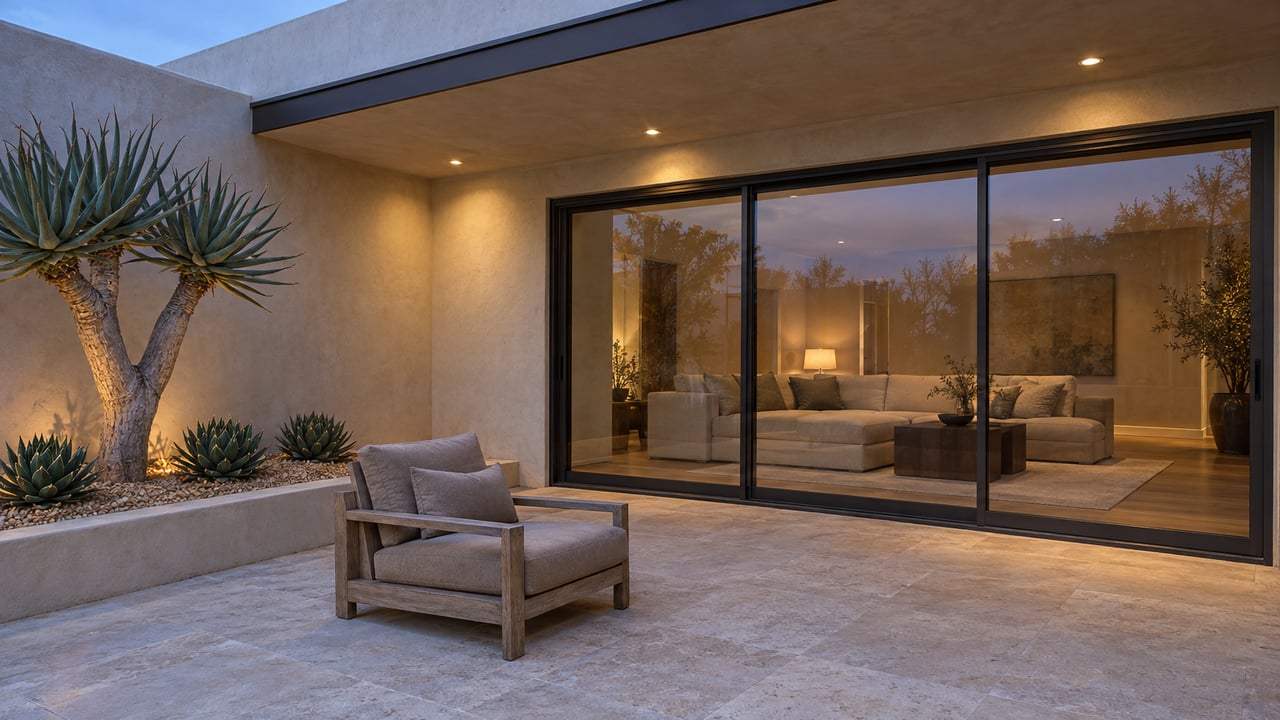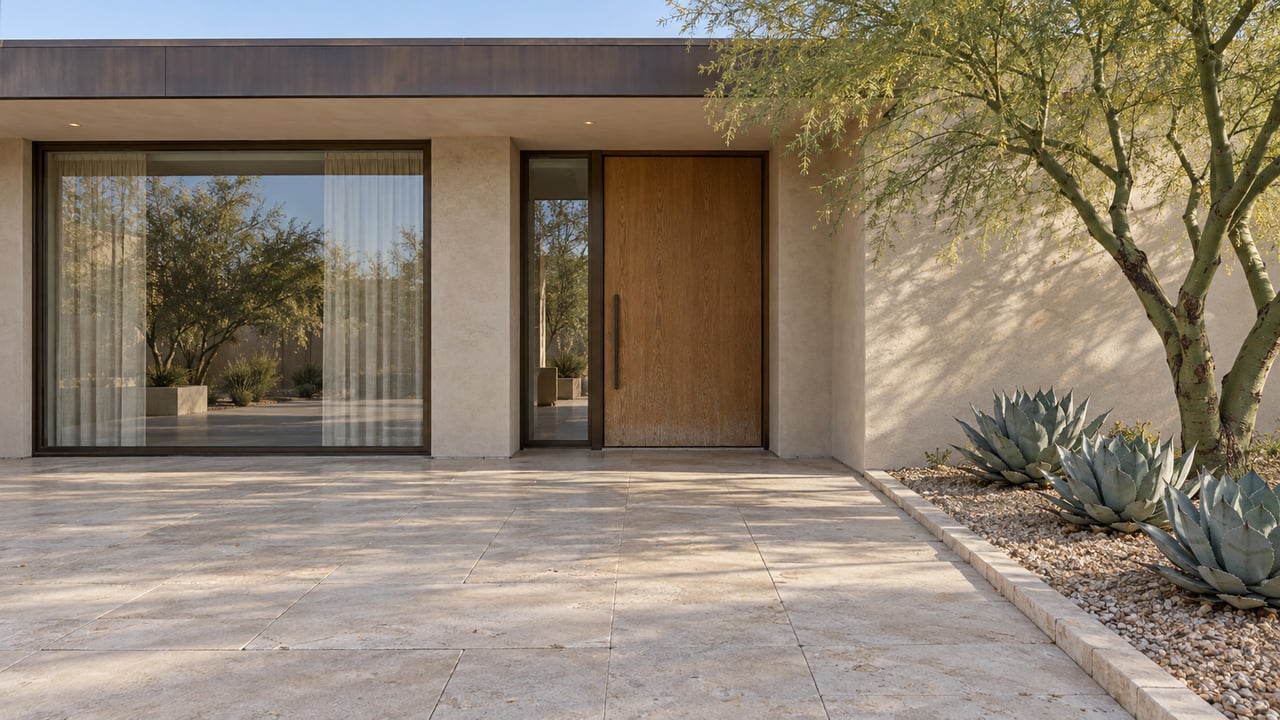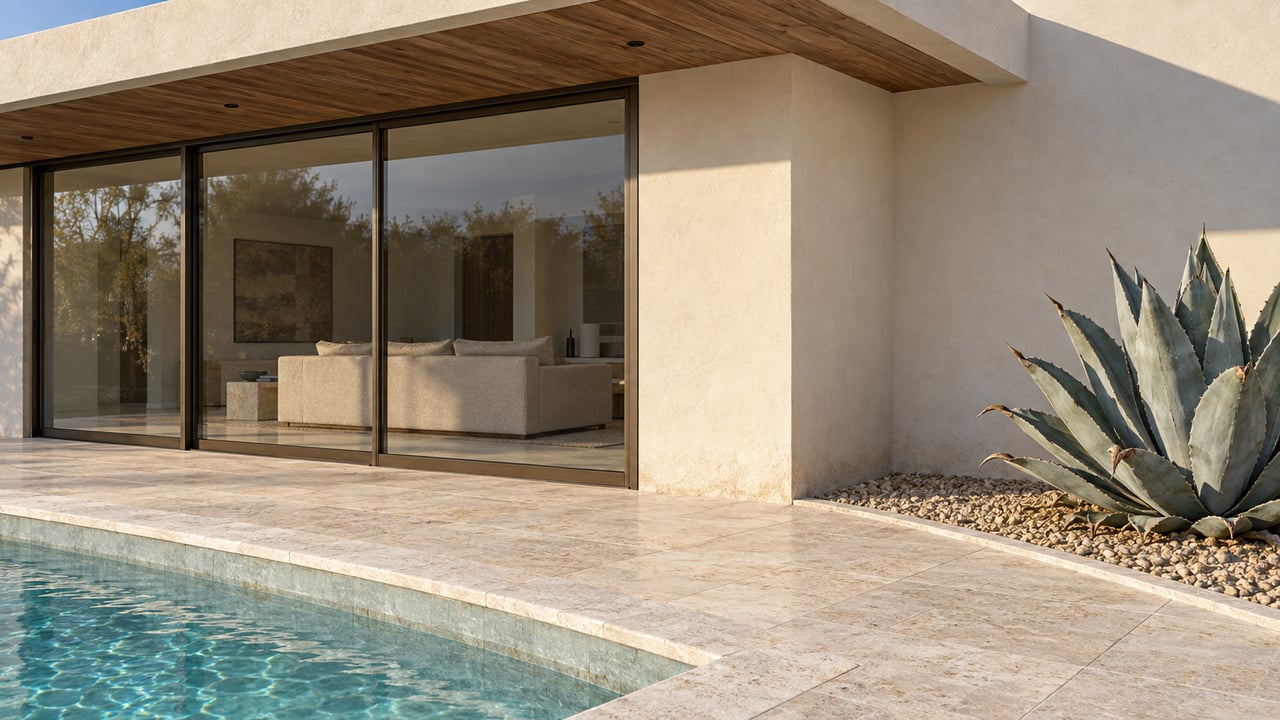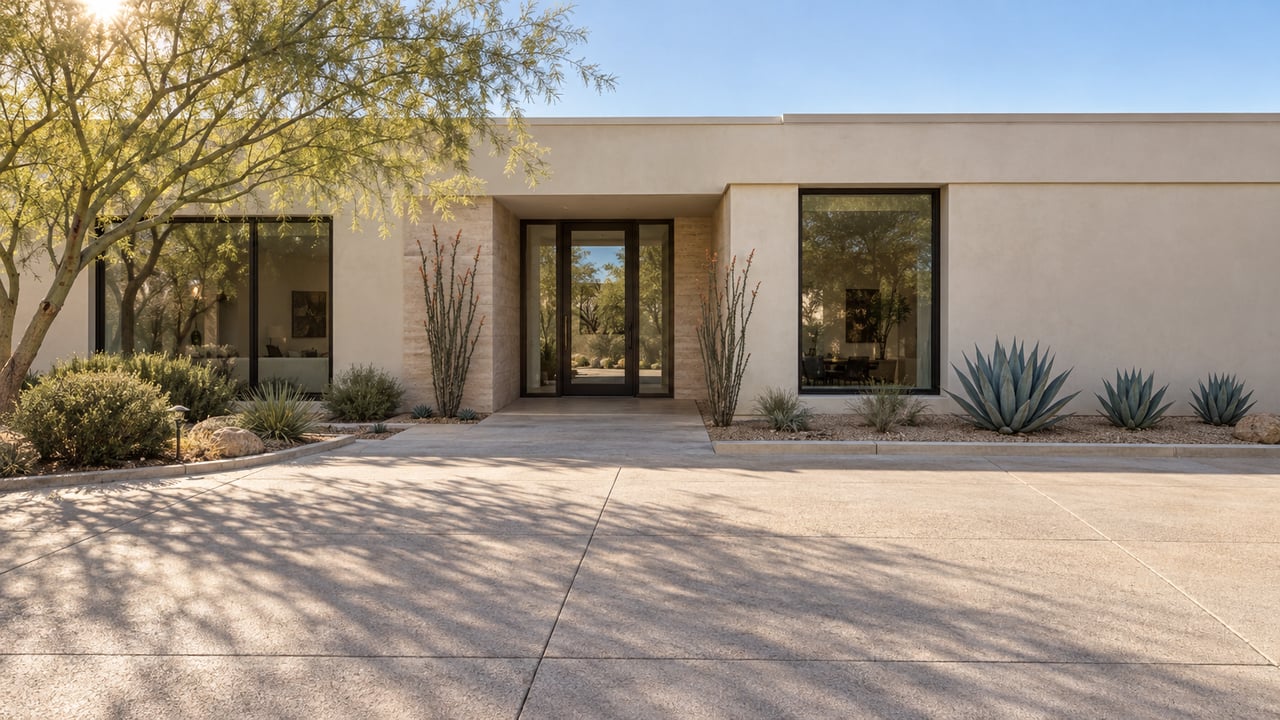
Are you picturing your next chapter with warm desert sun, golf at your doorstep, and a low‑maintenance home base that keeps you active and connected? If so, you might be wondering whether Trilogy at La Quinta is the right fit. Choosing a 55+ community is a lifestyle decision as much as a real estate one, and you deserve a clear, complete picture before you buy. In this guide, you’ll learn how Trilogy is built, what daily life looks like, what it costs, and how it compares to other La Quinta neighborhoods so you can decide with confidence. Let’s dive in.
Quick take: What Trilogy is today
Trilogy at La Quinta is a guard‑gated, age‑targeted 55+ resort community created by Shea Homes with a focus on wellness, recreation, and social programming. The Trilogy brand is known for lifestyle‑driven amenities and on‑site classes that make it easy to plug in on day one. You can explore the broader brand ethos in the Trilogy lifestyle overview.
The neighborhood includes roughly 1,238 homes, most built in the early to late 2000s. A community profile summarizing the size, build years, and amenities provides helpful context for first‑time visitors to the area; see the Trilogy at La Quinta community overview for a concise snapshot.
Amenities and daily life
Santa Rosa Club hub
The Santa Rosa Club, reported at about 21,000 square feet, serves as Trilogy’s social and wellness centerpiece. You’ll find casual dining, a fitness center, indoor and outdoor pools, a spa, hobby rooms, and a ballroom for larger events. Courts for tennis, pickleball, and bocce add to the daily activity mix. For a quick list of what residents use most often, review the community amenities summary.
Fitness, classes, and clubs
Trilogy communities are designed for connection and health. Expect a staffed fitness center, classes coordinated by a lifestyle team, and a calendar of clubs that help you meet neighbors with shared interests. This brand‑level approach to programming is core to the Trilogy lifestyle model.
Golf: a major 2024 update
Trilogy’s Gary Panks‑designed 18‑hole course has a fresh story. After a period of private‑owner financial trouble and closure in 2022, homeowners voted in early 2024 to acquire the 229‑acre course and clubhouse and fund a multi‑million‑dollar renovation. You can read the background on the homeowner purchase and renovation plan. Following that work, the course reopened to public play in December 2024, restoring a signature piece of the Trilogy lifestyle.
Golf access and costs
Here is the key point many buyers ask about: golf is not included in HOA dues. Instead, residents can buy passes or pay resident rates. The club has published options such as Premier and Advantage resident passes, along with resident rate and booking‑window privileges. Because pricing and offerings can change, review the latest details in the club’s Golf Options brochure and compare them to how often you plan to play.
Tip to budget well:
- If you’re a frequent golfer, model your likely rounds against the pass choices so you understand the true monthly cost.
- If you play occasionally, resident rates with advance booking windows might be a better fit.
Homes and floor plans
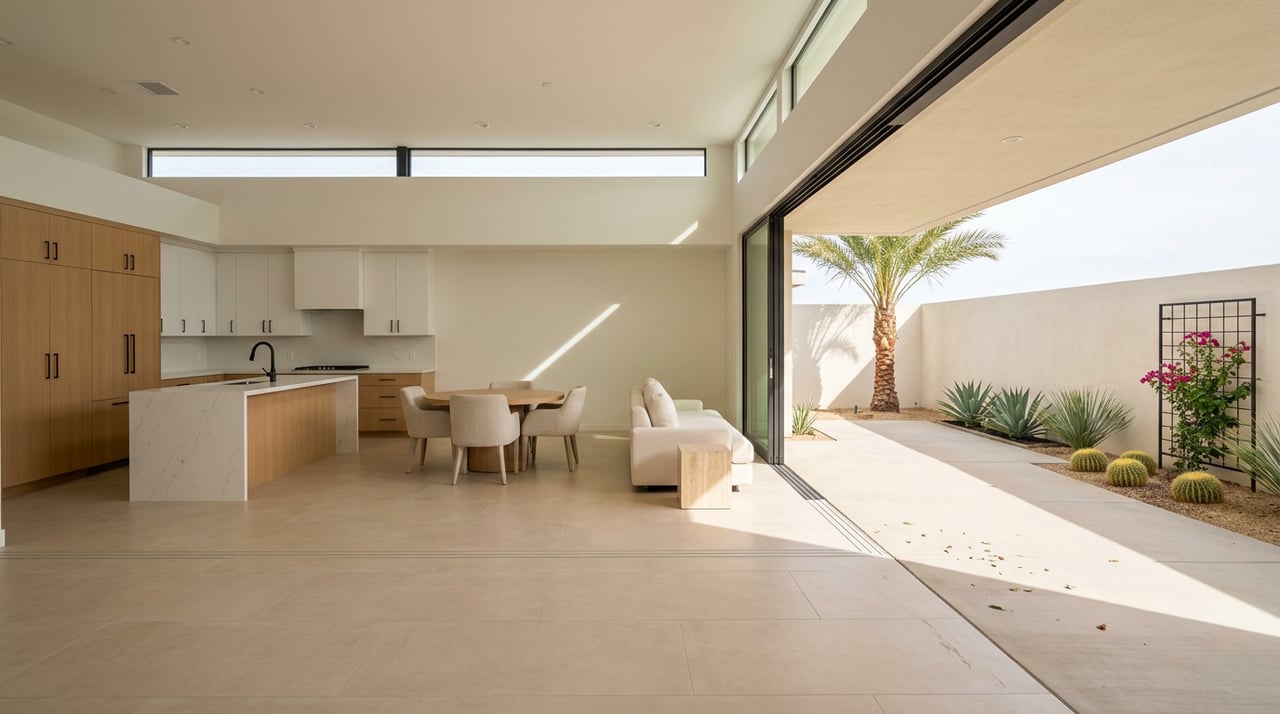
Most homes in Trilogy are single‑story and designed for easy living. Typical sizes range from about 1,300 square feet to more than 2,700 square feet, with several models offering optional casitas, golf‑cart garages, and backyard spaces that can accommodate a private pool. Model names you may see in listings include Oasis, Monterey, Maree, Oreas, Cassius, Tamarisk, Mesquite, and Juniper. If aging‑in‑place features matter to you, pay close attention to thresholds, door widths, and bathroom layouts during tours so you can plan simple upgrades if needed.
Ownership costs and rules
HOA dues and what they usually include
Recent market data shows HOA dues commonly range from about $380 to more than $600 per month, depending on the lot and sub‑neighborhood. In many cases, dues include gate and security services, clubhouse access, front‑yard landscaping, and bundled cable or internet, plus trash and sewer. Exact inclusions vary by parcel, so always verify the current HOA budget, CC&Rs, and any sub‑association rules for the specific home you are considering.
Special taxes: Mello‑Roos/CFD
Some Trilogy parcels carry a Community Facilities District (CFD), often called Mello‑Roos. Amounts can vary from zero to a notable annual line item on the tax bill, even within the same community. Confirm the current tax and assessment statement for the property’s APN before you write your final offer.
55+ rules and rentals
Trilogy operates under the federal Housing for Older Persons Act (HOPA) framework for 55+ communities. That means the community follows published intent, age verification procedures, and an occupancy test that is often referred to as the 80 percent rule. Day‑to‑day rental permissions, guest stays, and child visitation are set by the HOA’s governing documents. For a plain‑English explainer of how HOPA works, review this overview of what a 55+ community means, then confirm the specifics in Trilogy’s CC&Rs.
How Trilogy compares to other La Quinta areas
If you are also looking at non‑HOA or all‑ages neighborhoods in La Quinta, here are the practical tradeoffs to consider:
- Lifestyle and programming: Trilogy is built for connection, with classes, clubs, and staff‑coordinated events that make it easy to join in. Many traditional neighborhoods are quiet and self‑organized, which some buyers prefer for independence.
- Maintenance and convenience: Trilogy commonly includes front‑yard landscaping, gate/security, and clubhouse upkeep, which supports a lock‑and‑leave lifestyle. Non‑HOA areas can lower monthly costs but require more personal coordination for yard and exterior care.
- Costs: Trilogy’s recurring HOA plus optional golf fees can create a higher monthly spend than a similarly priced home outside an HOA. In non‑HOA areas, you trade dues for direct control over maintenance and contractors. Mello‑Roos, if any, depends on the parcel, not the neighborhood type, so always verify.
- Social density and seasonality: Trilogy’s clubs and activities attract an active social scene. Traditional areas may feel quieter or more mixed in age.
Is Trilogy a fit for your next chapter?
Choose Trilogy at La Quinta if you want:
- Single‑level living with low exterior maintenance.
- A ready‑made social calendar with on‑site fitness, pools, and dining.
- Golf access with flexible pass options rather than mandatory membership.
- A guard‑gated setting with predictable services and routines.
Consider a traditional La Quinta neighborhood if you prefer:
- Fewer monthly dues and more control over exterior changes.
- An all‑ages environment that may be quieter or more varied.
- A non‑gated setting with fewer community rules.
How I help you decide with clarity
Finding the right fit is about more than square footage. It is about how you want to live day to day. I help you compare homes and neighborhoods through the lens of lifestyle, costs, and long‑term comfort. That includes:
- Mapping your daily routine to floor plans, yard sizes, and golf proximity.
- Reviewing HOA documents so you understand inclusions, rules, and costs before you commit.
- Estimating all‑in monthly expenses, including potential Mello‑Roos and golf access choices.
- Coordinating tours around the clubhouse and amenities so you can feel the community rhythm firsthand.
If Trilogy aligns with your vision, or if you want to compare it to nearby options, let’s talk about your goals and design a plan that fits.
Ready to explore Trilogy at La Quinta? Connect with Kathleen Galigher to get started.
FAQs
Is golf included in Trilogy at La Quinta HOA dues?
- No. Residents can purchase passes or pay resident rates; see the club’s published Golf Options brochure for current choices.
What are typical HOA dues at Trilogy at La Quinta?
- Many listings show a range around $380 to $600+ per month, with inclusions like gate/security, clubhouse upkeep, front‑yard landscaping, and bundled services; verify for each property.
Are there Mello‑Roos taxes on Trilogy homes?
- Some parcels have a CFD/Mello‑Roos assessment while others do not; check the property’s current Riverside County tax bill for exact amounts.
What home types and sizes are common in Trilogy?
- Mostly single‑story detached homes from about 1,300 to over 2,700 square feet, often with options like casitas, golf‑cart garages, and pool‑ready backyards.
How do 55+ rules work at Trilogy?
- Trilogy follows HOPA guidelines for 55+ communities; occupancy, rentals, and guest rules are set by the CC&Rs, so review them for specifics and use this HOPA explainer as a primer.
What changed with Trilogy’s golf course in 2024?
- Homeowners acquired the course, funded renovations, and the club reopened in December 2024, restoring full on‑site play with resident‑oriented access options.