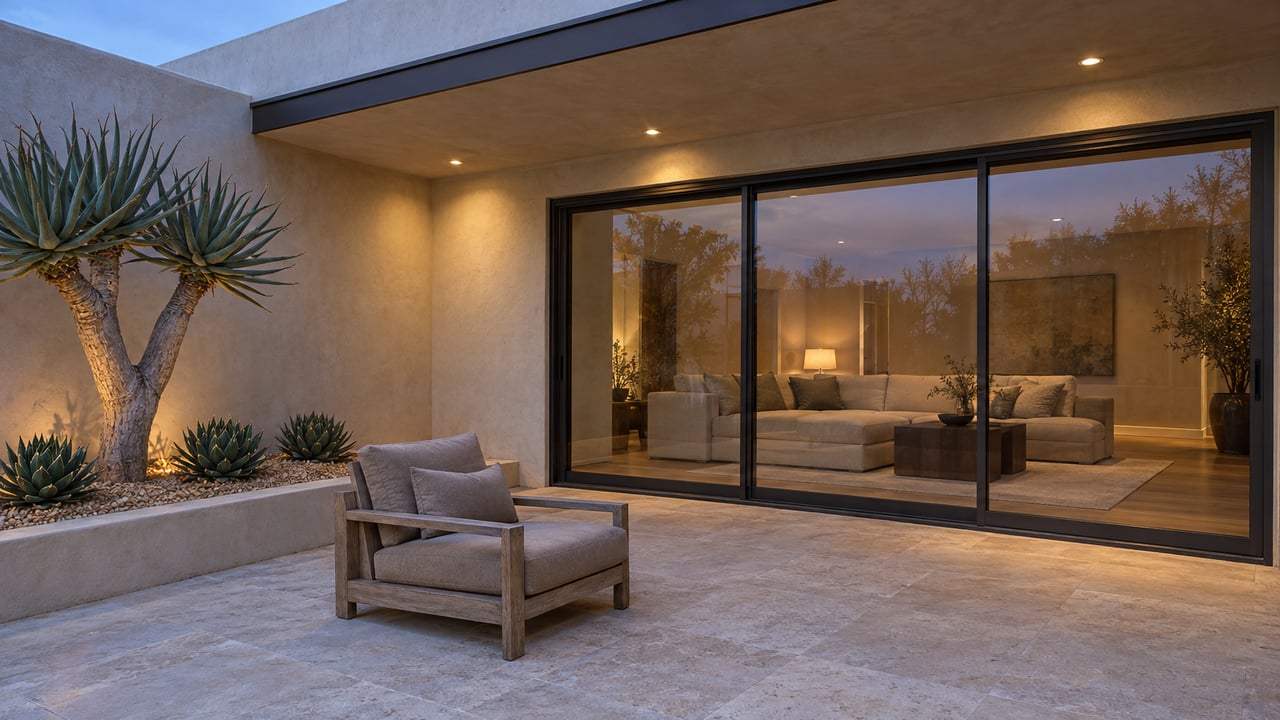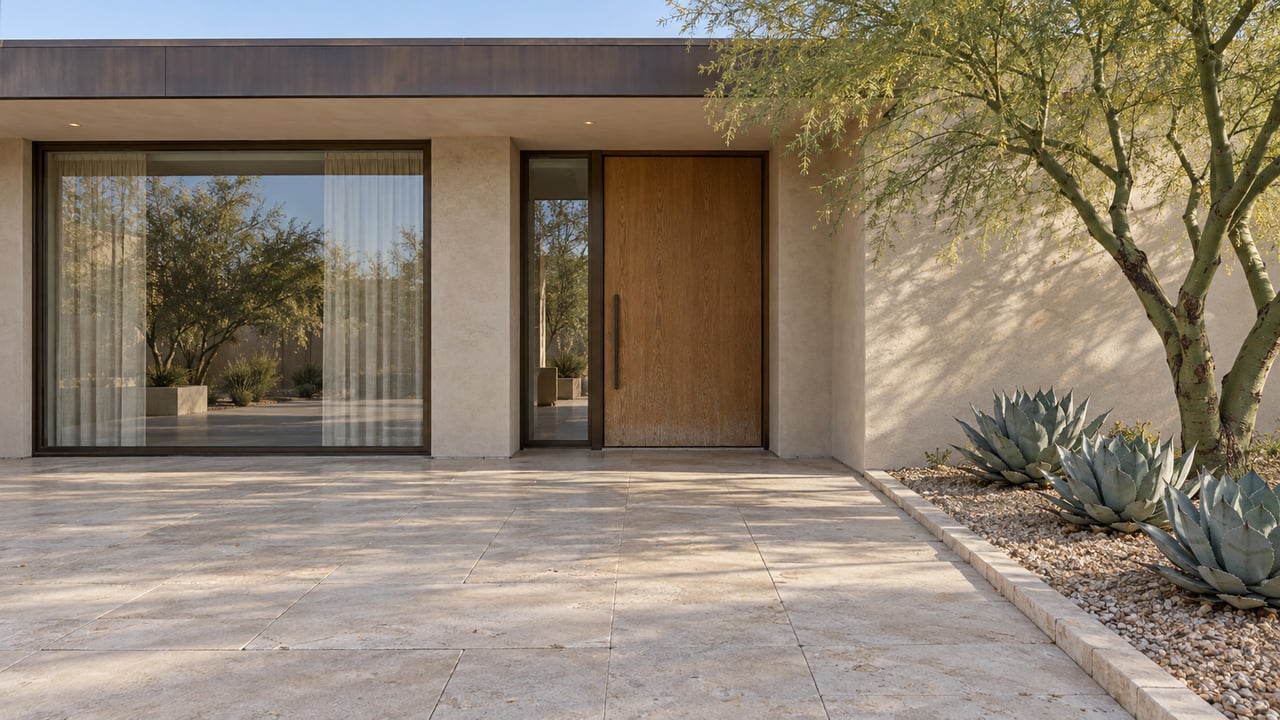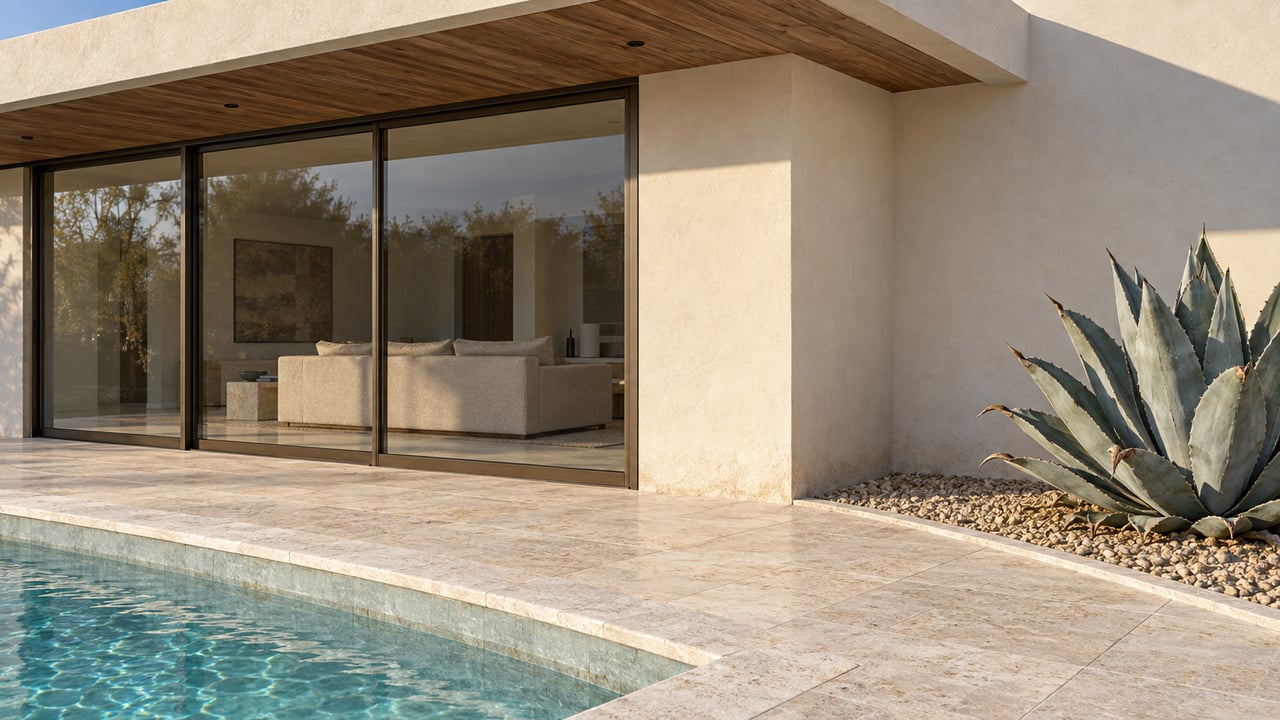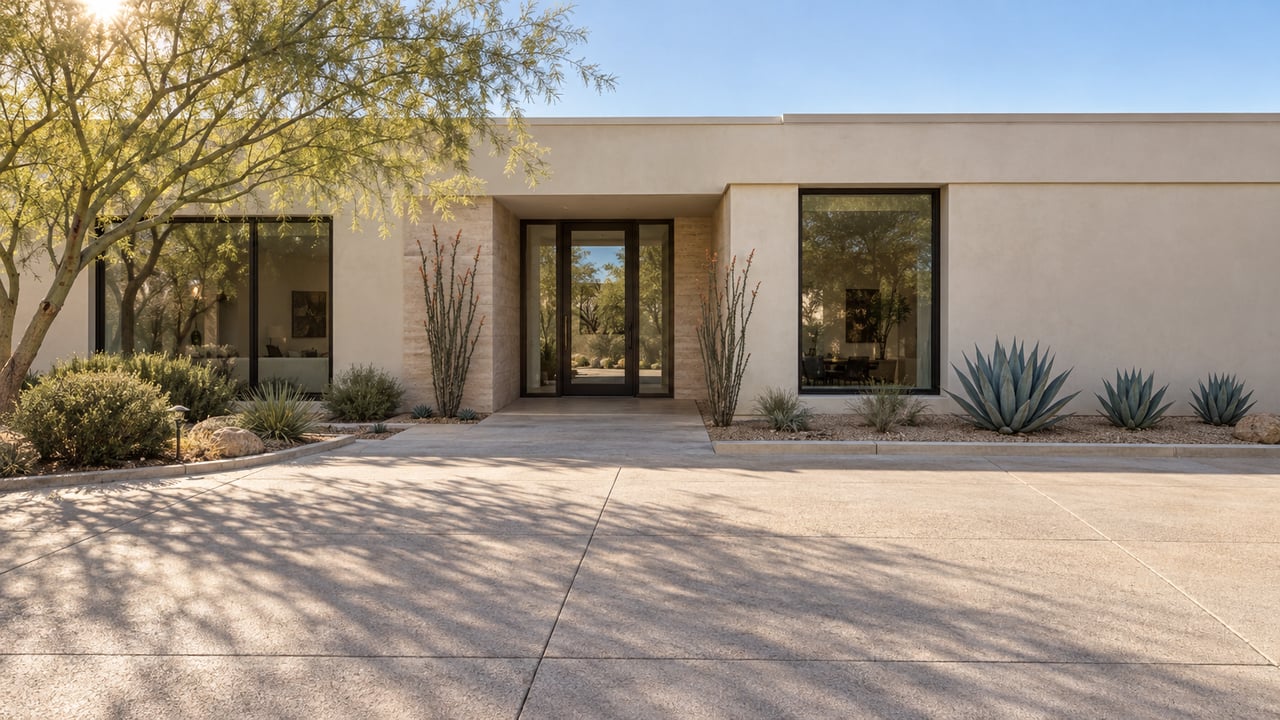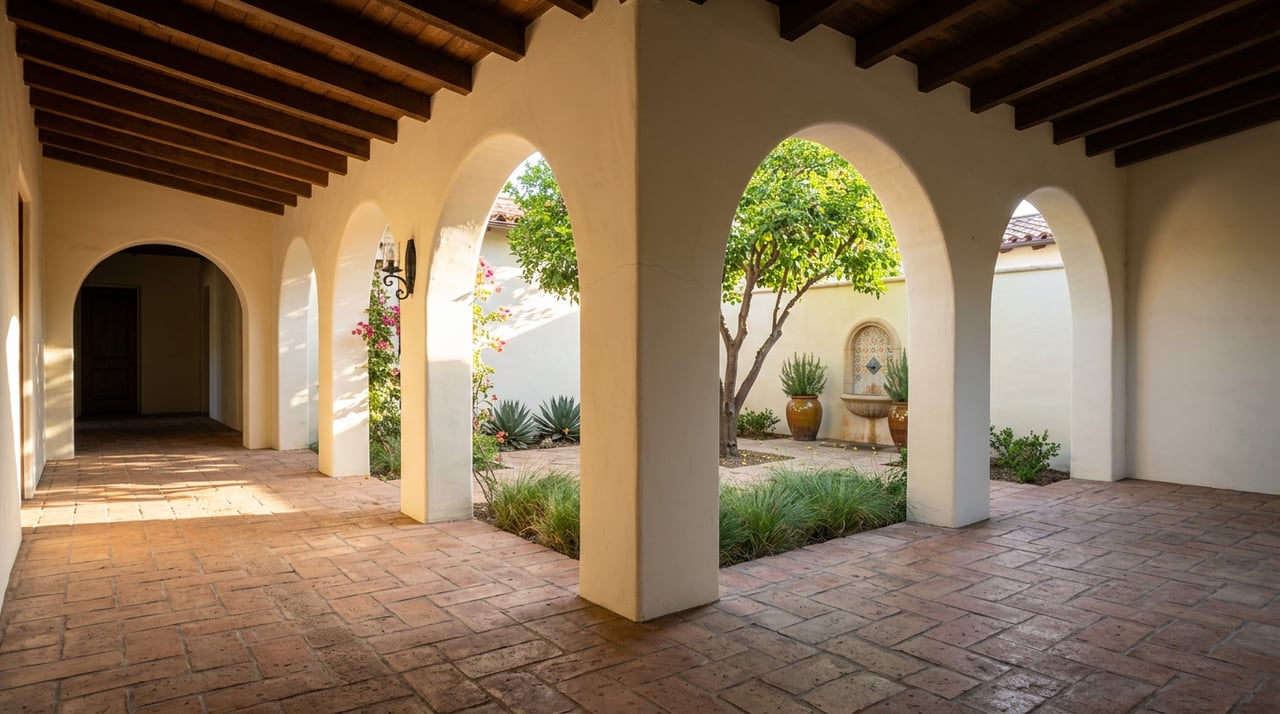
Drive down Eisenhower Drive past Avenida Fernando and you'll pass a low stucco wall, a guard gate, and a sign that says La Quinta Resort & Club. Most people who live in La Quinta drive past it the way they drive past a familiar mountain. It's just there. It was there before their street had a name, before their HOA had a newsletter, before there was a city to put on a mailing address.
That's not a figure of speech. The city of La Quinta didn't exist until 1982, incorporated on May 1 of that year, and it took its name directly from the hotel behind that wall. It's only the second American city ever named after a resort, with Beverly Hills the first. Which means every resident who tells someone out of state "I live in La Quinta" is, technically, naming their address after a hotel.
A Hotel Older Than the City It Named
Walter H. Morgan built the thing that eventually named your city almost by accident. He was the son of a San Francisco oyster-company magnate, came to the desert in the early 1920s, and got so taken with the cove at the base of the Santa Rosa Mountains that he bought 1,400 acres of it. He hired Pasadena architect Gordon B. Kaufman, who designed the original adobe casitas, courtyards, and dining room in the Spanish Colonial Revival style that still defines the property. The La Quinta Hotel had a soft opening on December 29, 1926, with 20 guest casitas built in two rings around a central courtyard, and opened to the public the following January.
Morgan added the Coachella Valley's first golf course in 1927, a nine-hole Norman MacBeth design that cost $50,000 to build and charged golfers a dollar a day to play it. Word reached Hollywood fast. Greta Garbo came to escape a mob of fans who'd cornered her in a phone booth. Clark Gable, Shirley Temple, Bette Davis, and Errol Flynn followed. Frank Capra treated the place as his writing retreat, drafting It Happened One Night here in the early 1930s and returning later to finish Lost Horizon, calling it his "Shangri-La for scriptwriting." Ginger Rogers married Jacques Bergerac at the resort's fountain in 1953. Morgan himself didn't get to see much of what he built become a legend. He died in 1931, five years after opening night.
One Address, Several Different Resorts
One important detail is that the building being celebrated this year is not, physically, the same building that opened in 1926. It's the same footprint with several different resorts built on top of each other across a century, and knowing where the seams are tells you more about the place than the anniversary date does.
- 1942 to 1945, the hotel closed entirely. Wartime gas and tire rationing killed desert tourism, and the U.S. Army requisitioned the property. Local accounts hold that members of General George Patton's staff used the facilities during the closure.
- 1988 brought a $45 million expansion that took the property to 640 casitas, added a 17,000-square-foot ballroom, built a central plaza, and opened Adobe Grill. Morgan's, which had opened in 1927 as The Dining Room, and Adobe Grill are both running centennial menus this year.
- 1993, the property was renamed. What had been called La Quinta Hotel Golf & Tennis Club became La Quinta Resort & Club, the name on the gate today.
- 1998 and 1999 added Spa La Quinta, a 23,000-square-foot wellness building with 37 treatment rooms, and the Greg Norman Course at PGA West, rounding the combined golf offering to 90 holes across the resort and PGA West together.
Ownership changed hands just as often. Morgan Stanley Real Estate Fund bought both the resort and PGA West in 2007. Lenders foreclosed on part of the portfolio in 2011. The most recent sale closed in December 2021, when Blackstone sold the property to Henderson Park, a London-based private equity firm, for $255 million. Today the resort lists 718 total accommodations, 620 casitas and 98 one-, two-, and three-bedroom villas, a figure that has shifted more than once as the property expanded, contracted, and rebuilt over the decades.
The centennial marks the address and the idea—Morgan's original vision of a self-contained desert hideaway—more than any single set of walls.
What the Centennial Year Actually Looks Like
The celebration kicked off on New Year's Eve, December 31, 2025, with a party in the Fiesta Ballroom built around two DJs, a classic arcade, and prix fixe menus at the signature restaurants, timed to toast midnight twice, once for the East Coast and once for the desert. Since then, the resort has run what it calls its Summer of the Century, a 100-day stretch of programming through the warmest months of 2026, still underway as of this writing. It includes the Centennial Social Club, a Saturday-night activation at PLUNGE, the adults-only pool at the Renker complex, plus 100 Scoops with Thrifty Ice Cream at The Marketplace and a rotating archival gallery that pairs historic photographs of the 1926 property against present-day shots of the same corners.
The most tangible piece of the centennial, though, is on the plates. All three of the resort's signature restaurants are running Centennial Classics menus this year, built from recipes and cocktails pulled from the archive:
Restaurant | Centennial signature | Notes |
|---|---|---|
Twenty6, named for the founding year | Waldorf Salad, Chicken à la King, the resort's Famous Peanut Butter Pie | California-inspired everyday menu with archive additions |
Morgan's in the Desert, opened in 1927 as The Dining Room | Oysters Rockefeller, Filet Oscar, Baba au Rhum | Paired with a Grgich Hills Estate wine bottled exclusively for the resort's centennial |
Adobe Grill | Pollo Centenario de La Mirage, Centennial Margarita with Volcán X.A. tequila | Tequila-forward menu, includes a co-branded bottle made for the anniversary |
The Part of This You Don't Need a Room Key For
Most of what makes the centennial interesting to someone who already lives five minutes away doesn't require booking a casita. The dining rooms, the Plaza shops, and the archival gallery all sit outside the guest wings, in the parts of the property built for foot traffic rather than overnight stays. Several of those offerings are available only for a limited time. The menus won't run indefinitely. The gallery is tied to the anniversary year. The wine and the tequila were bottled once, for this occasion, and won't be restocked once they're gone.
The resort also has a tennis history: From 1981 to 1986, the resort's tennis club hosted a men's professional tournament whose singles champions included Jimmy Connors, Yannick Noah, José Higueras, and Joakim Nyström. That tournament outgrew the venue and moved to Indian Wells in 1987, where it eventually became the BNP Paribas Open, one of the largest tennis events in the world. The tournament people now associate entirely with Indian Wells started on a court a few minutes from Old Town.
The golf side gets conflated too. PGA West, with Pete Dye's TPC Stadium Course and the Jack Nicklaus Tournament Course, operates as its own complex next door, not as part of the resort itself, even though both host rotating rounds of The American Express each January alongside La Quinta Country Club. The resort, PGA West and La Quinta Country Club are separate golf entities that host a shared tournament, with a shuttle running between them.
A hundred years in, the resort has picked up enough industry recognition to fill a wall. Golf Digest named it among America's Best Golf Resorts in 2025. Palm Springs Life gave it Best Spa and Best Hotel & Resort Amenities in its 2025 Best of the Best awards. It also shows up on U.S. News rankings for Best Hotels and Best Resorts in Palm Springs.
None of that changes what the anniversary actually means for someone who already lives in its shadow. The city's name was borrowed, not chosen from scratch, and the centennial offers residents an opportunity to explore the resort that inspired it. The gates have been there the whole time, and residents can visit for a meal or an hour in the gallery.
If you're curious about what daily life actually looks like in the neighborhoods that sit closest to the resort, from the villas just past its gates to the surrounding streets in Old Town, I'm happy to talk through it. Reach out to Kathleen Galigher any time. Let's Connect.